12th Feb 2026
Buying a guqin and finding a soulmate
For those who love the guqin, buying one is never a simple transaction but a silent recognition. It doesn't rely on noisy displays or flashy packaging. From the moment you step into a guqin shop, as your fingertips brush the instrument's surface and your ears catch its strings' sounds, every minute detail seems like the search for a close old friend.
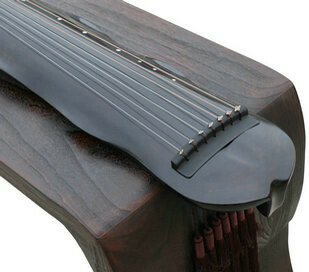
When choosing a guqin, the first thing to look at is its shape. The most common is the Zhongni style, with a square head and tail and simple lines, not flamboyant. There are also the Luoxia and Jiaoye styles, with undulating edges, which are good-looking but some people find them too elaborate. The truly sought-after guqins are often those that don't catch the eye at first glance but become more appealing the longer you look at them. The lacquer color is mostly blackish-brown, neither too bright nor too dark. Over time, fine cracks will appear on the surface, known as "crack patterns", which are not flaws but rather evidence that the guqin has been properly aged and its sound is stable.
Next, consider the wood used to make the guqin. The soundboard is usually made of paulownia or fir, with straight grains. Older wood tends to be yellowish-brown and has a loose, porous texture. Old wood is hard to come by and needs to be naturally air-dried for over ten years to be less prone to deformation and cracking. Then, look at the lacquer finish. Traditional lacquer goes through dozens of polishing and buffing processes, giving it a warm, lustrous color and a smooth, jade-like feel. If there are crack patterns on the surface, they are not defects but the result of years and vibrations, and are even regarded as a sign of a fine guqin.
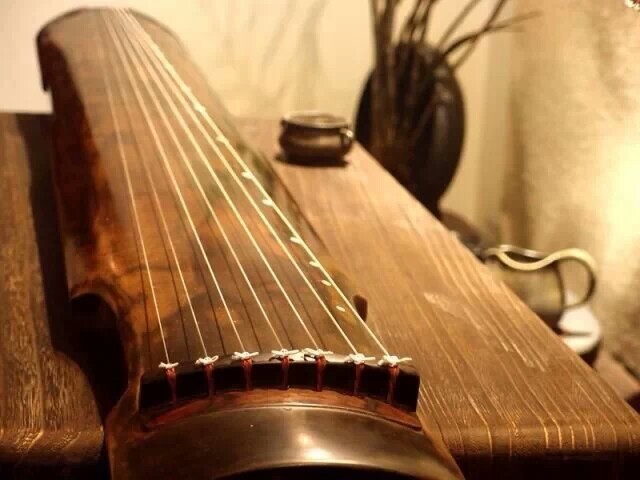
Testing the sound is the most touching moment in the process of finding a guqin. When your fingertips lightly pluck the strings, the sound is the soul of the guqin. A good guqin's sound is mellow and long-lasting, clear and refreshing without being too sharp, rich without being dull, with lingering reverberations that linger in the air. Some guqins have a clear, spring-like sound, suitable for playing lively tunes, while others have a deep, resonant sound that brings out the charm of ancient pieces. There is no absolute good or bad; in the end, it's not about data or what others say. Some people prefer a brighter sound for lively pieces, while others like a deeper sound for slow ones. There is no standard answer. The key is whether the sound and feel of the guqin resonate with you.
Touching the body of the guqin and feeling its texture is also an indispensable step. The curvature of the soundboard, the height of the strings, and the height of the bridge all directly affect the comfort of playing. A guqin that fits your hand allows your fingertips to move smoothly and freely, and you won't get tired even after playing for a long time. Even if a guqin has a great sound but a poor feel, it can become an obstacle in your learning journey. Feeling the warmth of the wood and the fineness of the craftsmanship, every detail hides the maker's ingenuity and determines the harmony of your future companionship.
From indecision to finding your heart's desire, the process of seeking a guqin is also a dialogue with yourself. When we select a guqin's sound, feel, and temperament, we are actually looking for a rhythm that resonates with our souls. It is not a cold object in a display window but a partner that can carry emotions and soothe the soul. In the noisy world, a guqin that suits your heart can accompany you in leisure to express your feelings and help you calm down when you are agitated.
Buying a good guqin is a matter of fate and luck. This meticulous selection is not just about owning an instrument but also about seeking a touch of elegance and poetry for ordinary life and a peaceful haven for an agitated heart.