6th Feb 2026
For Guzheng Beginners: Self-study or Sign up for Classes?
For beginners of the guzheng, self-study or taking classes is an unavoidable core issue. Although the guzheng is easy to get started with, if the basic hand position and finger technique details are incorrect, it will not only affect the performance effect but also form bad habits that are difficult to correct. There is no absolute superiority or inferiority between the two learning methods. The key lies in matching one's own time, budget and learning ability, and finding the right direction to avoid detours.
Self-study is more suitable for beginners with flexible time, strong self-discipline and limited budget. Nowadays, free resources on the Internet are sufficient to support beginners with no prior knowledge. Platforms like Bilibili and Douyin have a large number of guzheng teachers sharing videos on string recognition, tuning, and basic finger techniques, from demonstrations of hand positions for plucking, pressing, and picking to step-by-step explanations of beginner pieces like "Twinkle Twinkle Little Star". These videos are intuitive and easy to understand, and can be watched repeatedly. Professional guzheng apps also offer functions such as tuning and metronome, solving the problems of "out-of-tune" and "disordered rhythm" during self-study. In addition, self-study offers extremely high flexibility, allowing you to adjust your practice time according to your own progress without being bound by the course schedule. It is especially suitable for office workers and students to use fragmented time for learning. However, the shortcomings of self-study are also very obvious. Beginners find it difficult to judge whether their hand positions are correct through videos, such as whether the wrist is too high or the fingertips are not upright. Long-term incorrect practice may lead to stiff playing and even affect subsequent advancement.
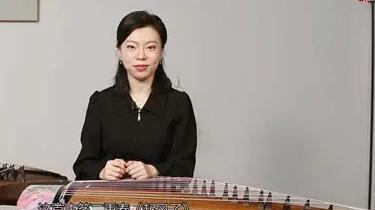
Taking classes is a safe choice for beginners to quickly establish a correct foundation, especially for those who pursue systematic learning and want to avoid common mistakes. Professional teachers can promptly correct key issues such as hand position and finger techniques. Taking classes also provides a complete course system, and teachers will plan the learning content based on the beginner's progress, avoiding the chaos of "blindly finding pieces to practice" during self-study. For guzheng enthusiasts abroad, online learning builds a bridge to connect with high-quality Chinese teachers, eliminating the influence of geographical location and time difference, and avoiding the limited learning resources in foreign countries. Whether it's busy office workers, students with heavy academic loads, or traditional culture enthusiasts living abroad, online courses offer the characteristics of flexibility, convenience, and efficiency, making the path to guzheng learning smoother.
In fact, no matter which method is chosen, the core lies in laying a solid foundation and continuous practice. If you have strong self-discipline and are willing to explore, self-study can bring you the joy of exploration. If you want to avoid detours and quickly get started, the guidance of professional courses will make your efforts more effective. The essence of learning the guzheng is the integration with the instrument. Only by finding the right pace for yourself can you feel the charm of traditional instruments in the process of plucking and playing.