4th Feb 2026
The Chinese Instrument, the Guzheng: Distinctive Features Compared with Plucked Instruments from China and Abroad
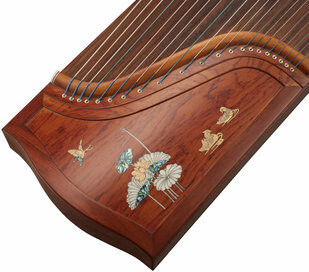
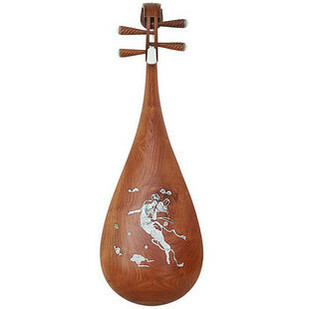
Among the numerous musical instruments from both the East and the West, plucked instruments have always been characterized by the agility of fingertips, interpreting different civilizations. As the "Oriental Pearl" among plucked instruments, the guzheng shares the plucked essence with domestic counterparts like the pipa and zhongruan, while also engaging in a fascinating dialogue with foreign instruments such as the Western harp and the African kalimba. Its unique charm becomes increasingly evident through these comparisons.
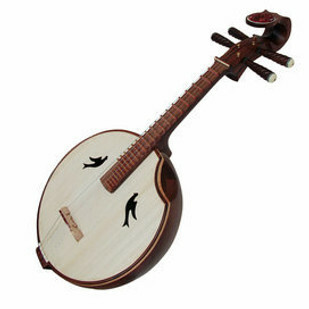
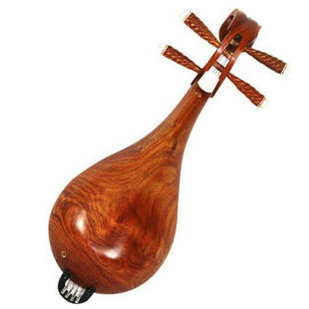
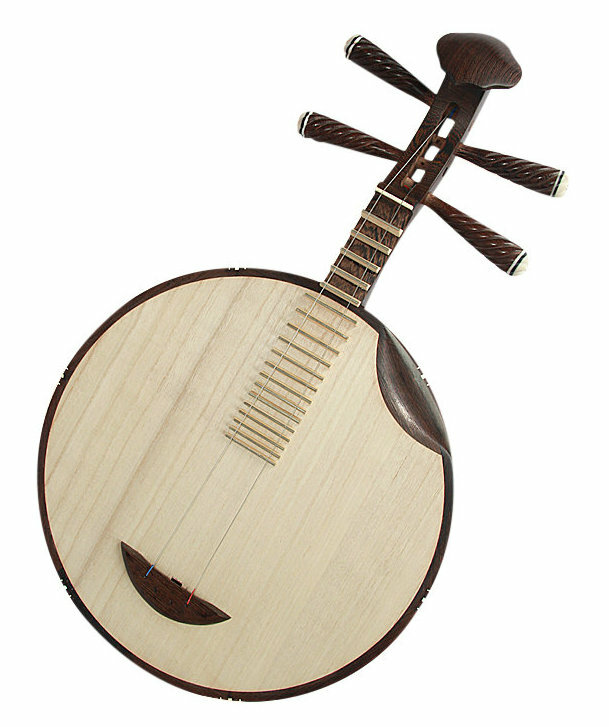
The sound of each instrument reflects its own personality. Compared with the pipa and zhongruan, which are also plucked instruments in China, the core difference of the guzheng lies in its clear, ethereal timbre and its relatively loud volume, which is very imposing. Its sound has a strong sense of linearity, making it particularly suitable for expressing melodious and lyrical melodies. The pipa, on the other hand, has a crisp and bright timbre with a strong sense of individuality. Its most famous technique is the "big and small pearls falling on a jade plate" tremolo, as well as the sweeping strings that create a grand atmosphere like an army of thousands. Its expressive power is extremely rich. The zhongruan has a warm and mellow timbre, like a cup of warm tea, which sounds very comfortable and soothing. Its timbre is round and full, often playing the role of a "glue" in ensemble performances, making the entire music sound more harmonious.
Looking overseas, the comparison between the guzheng and the Western harp and the African kalimba further highlights the uniqueness of its Eastern artistic conception. The harp, with dozens of strings and pedals to adjust pitch, has a magnificent and ethereal timbre, excelling in creating a symphonic atmosphere. It is mostly used in classical symphonies or opera accompaniment, with a large size and complex playing techniques. The kalimba, on the other hand, produces sound with simple metal tines, has a bright and lively timbre, and focuses on rhythmic expression, making it suitable for folk singing and small ensembles. Although the guzheng and the harp both belong to the category of string plucked instruments, the guzheng discards the complex mechanical structure and retains more flexibility in human control.

What is even more intriguing is that the "ease of learning" of the guzheng stands out among all plucked instruments. It takes years of practice to master the uniformity of the tremolo on the pipa, and the pedal operation and pitch control of the harp are also challenging for beginners. However, the guzheng, with its fixed-pitch string arrangement, allows beginners to play simple pieces after just a few lessons. This low-threshold entry feature makes it not only an instrument for the general public to cultivate their sentiments but also one that can shine in professional fields. At the same time, the evolution of the guzheng's form has always balanced practicality and aesthetics, from the traditional 21-string guzheng to the modern portable mini-guzheng, maintaining its core timbre while adapting to different scenarios.
In the cultural dialogue between Chinese and foreign instruments, the guzheng stands out in the family of plucked instruments with its unique timbre characteristics and profound cultural heritage. It is not only a carrier of techniques but also an expression of Eastern aesthetics and life philosophy. Through the strings and fingertips, it tells the story of China's culture of inclusiveness and agility.