4th Feb 2026
The Collision and Coexistence of the Guqin and Canadian Mainstream Culture
When the elegant seven-stringed melody of the guqin meets the diverse cultural landscape of Canada, this transoceanic artistic dialogue is never a forced accommodation but rather a symbiosis of mutual learning and appreciation. From static displays in museums to dynamic performances at art festivals, the guqin is entering the mainstream cultural sphere of Canada with its unique Eastern charm.
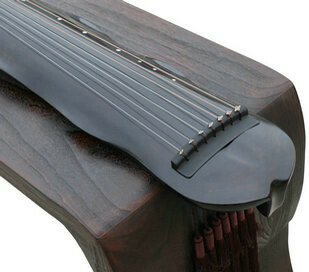
The acceptance of the guqin by Canadian mainstream culture began with the recognition of its cultural value by museums. As core carriers of the multicultural policy, major museums in Canada included the guqin in their collections of Eastern art as early as the late 20th century. The special exhibition of guqin at the Columbia University Museum of Anthropology not only displayed ancient guqin instruments from the Ming and Qing dynasties but also presented the historical origin, craftsmanship, and cultural symbolic significance of the guqin through bilingual interpretation panels. Canadian audiences were initially attracted by the mystery of the guqin, with its simple seven-stringed form and the warm tone of silk strings contrasting sharply with the complex structures of Western instruments. This exhibition moved the guqin beyond the realm of "niche hobbies" and became a window for Western audiences to understand traditional Chinese aesthetics.
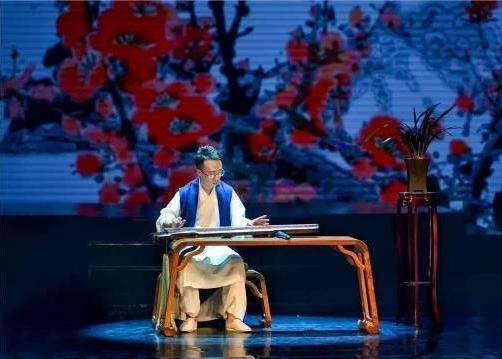
The stage of art festivals, on the other hand, has enabled the guqin to dynamically collide and innovatively integrate with Canadian mainstream art. The Montreal International Jazz Festival, one of the top art events in North America, once invited Chinese guqin players to collaborate with a Canadian jazz band to perform "Three Variations on Plum Blossoms." The interweaving of guqin and jazz drum melodies retained the ethereal charm of Eastern tunes while incorporating the tension of Western music. Western audiences' interpretations have gradually deepened, from initial curiosity about the guqin to recognition of its cultural depth. What they felt in the guqin's music was not only exotic charm but also a sense of tranquility and vastness that resonated with Canada's expansive natural landscapes.
Behind this collision lies a dialogue and complementarity of aesthetic logics between the East and the West. Canadian mainstream culture values diversity, inclusiveness, and innovative expression, and the guqin precisely fills the gap in Western art's imagination of Eastern aesthetics. This mutual adaptation has turned the collision into an opportunity for cultural symbiosis. Today, the guqin is included in music courses in Canadian universities as a representative of Eastern instruments, and guqin gatherings in community cultural activities attract participants from all over the world.
The collision between the guqin and Canadian mainstream culture is essentially a dialogue between Eastern aesthetics and Western pluralism. From cultural interpretation in museums to cross-border integration at art festivals, the guqin, with its unique artistic charm, has broken down cultural barriers and demonstrated the universal value of outstanding traditional culture.