5th Feb 2026
The Expansion Path of Chinese Guqin Sales under Intangible Cultural Heritage Protection
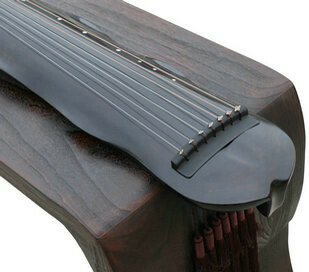
Amid the wave of the revival of China's fine traditional culture, the guqin, an intangible cultural heritage art with a 3,000-year-old civilization, is achieving a leapfrog growth in its sales market, thanks to the dual empowerment of policy support and cultural enthusiasm. From the key layout in the "14th Five-Year Plan for Cultural Development" to the nationwide craze for "Sinology", from the proliferation of domestic guqin schools to the steady expansion of overseas markets, policies have provided a development framework for guqin sales, while culture has injected intrinsic impetus, transforming this ancient instrument from a niche refined item to a broader mass consumer market.
Policy support has laid a solid foundation for the development of guqin sales and broken through the bottlenecks of industrial development. As a national intangible cultural heritage, the guqin has received significant attention and support from the state in recent years. The state not only includes the guqin in the scope of intangible cultural heritage support but also provides special funds to assist in its inheritance, craftsmanship improvement, and industry standardization. These policy benefits directly benefit the sales end. On one hand, subsidies have reduced the production costs of guqin manufacturing enterprises, making mid-range guqins more affordable and attracting more ordinary consumers. On the other hand, the improvement of industry standards has addressed consumers' concerns about purchasing fakes and quality guarantees, encouraging more people to purchase with confidence. Guqin production centers such as Yangzhou and Hangzhou have expanded production under the policy, significantly boosting local guqin sales and becoming new highlights in the cultural industry.
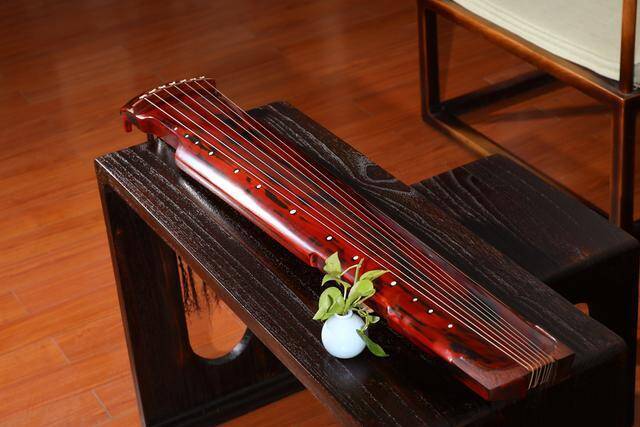
The wave of cultural revival has activated consumer demand and broadened the audience base for guqin sales. With the rise of the "national trend", the guqin is no longer exclusive to a niche circle but has become an important carrier for the public to pursue cultural taste. The establishment of guqin majors in universities and the inclusion of traditional musical instrument teaching in primary and secondary schools have directly driven the growth in demand for entry-level guqins, with young people becoming a new force in guqin consumption. The vigorous development of offline guqin schools, cultural communities, and various elegant gatherings has attracted a large number of enthusiasts, enriching the sales scenarios of guqins. More importantly, with the support of relevant policies, the guqin is gradually going international, with the purchase volume of overseas Chinese and Sinology enthusiasts continuously increasing, further expanding the sales scope of the guqin.
The dual empowerment of policy and culture not only enables the expansion of guqin sales but also promotes the transformation of the industry towards high-quality development. However, it is also necessary to be vigilant against potential risks such as the interruption of inheritance and homogenized competition. Only by continuously implementing support policies, adhering to the cultural core, and innovating communication methods can the sales of guqin go further and more steadily on the path of intangible cultural heritage protection.