15th Feb 2026
The Sales of Chinese Guzheng: Unveiling the Three Major Purchasing Forces - Children's Grade Exams, Adults' Pursuit of Traditional Chinese culture, and overseas Chinese
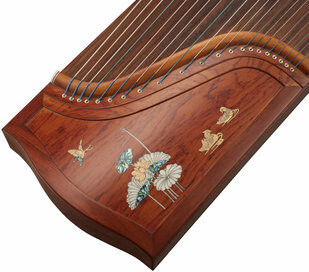
In recent years, with the rise of traditional Chinese culture and the popularization of quality-oriented education, the guzheng has quietly moved out of music rooms and stages and into the lives of more and more families. It is no longer just a traditional instrument in the memories of the older generation, but has become a new choice that carries culture, emotions, and lifestyle. Behind this trend, there are three groups of people who have supported the basic market of the guzheng: children learning the instrument, adults fulfilling their dreams, and overseas Chinese.
Children are the main force driving the demand for guzheng. Many parents send their children to learn the guzheng not just to master a skill, but also to enhance their aesthetic sense, patience, and concentration through artistic cultivation. Especially after the implementation of the "double reduction" policy, which has reduced the number of academic training classes, interest classes in the arts have become increasingly popular. Compared to Western instruments like the piano and violin, the guzheng has a lower entry threshold, and its pentatonic scale is easy to learn. Children can play decent pieces after a few weeks of practice, which brings a quick sense of achievement and makes it easier for them to persist.
At the same time, the mature grading system and clear path from amateur to professional make the guzheng the first choice for many families in their children's art education. When parents purchase a guzheng, they are not only meeting the daily practice needs but also making long-term preparations for exams and performances. Durability, pitch stability, and comfort of playing are the key considerations for parents when choosing a guzheng. As a result, mid-range grading guzhengs dominate the children's consumption market.
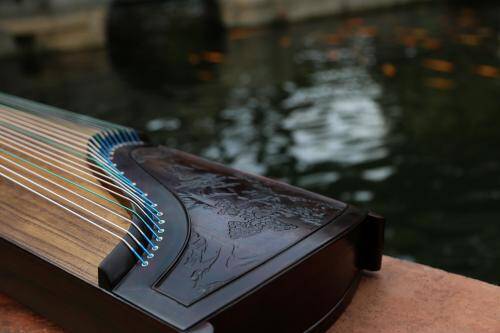
Another significant force comes from young people. They buy guzhengs not for exams or performances, but to find a moment of peace in their busy lives. Some people play a few notes when they get home from work and feel their fatigue melt away. Others wear Hanfu and record a performance video to post on social media, gaining likes and finding like-minded friends.
For them, the guzheng is more like a touch of elegance in life. When choosing a guzheng, factors such as appearance, size to fit into a small living room, and whether it has a silent function for late-night practice are all important. A guzheng placed at home is not only an instrument but also a decoration, and even an expression of a lifestyle.
Overseas Chinese and international culture enthusiasts buy guzhengs out of cultural nostalgia and a yearning for Eastern aesthetics. Chinese families around the world hope to introduce their children to traditional Chinese culture through the guzheng. The unique sound and profound cultural background of the guzheng also attract many foreign music lovers, making it a window for the world to understand Chinese culture.
These three groups have different motivations: one for growth, one for healing, and one for inheritance. But together, they are driving the guzheng from a "hobby for a few" to a "mass cultural consumer product". Today's guzheng is no longer just an instrument on the stage, it connects education, life, and identity, and is rejuvenating in the new era.