14th Jan 2026
Toronto Guzheng Sales: A New Cultural Note in the Local Market
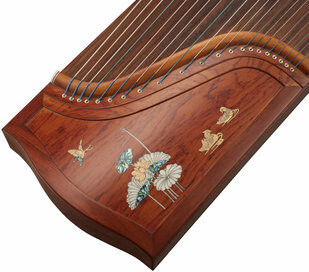
In the multicultural city of Toronto, the sales of guzheng are quietly weaving a unique cultural and economic thread. From the Chinese-populated Scarborough to the bustling North York, whether it's a mortar store on a street corner or an online platform on the internet, the guzheng is encountering more people on the streets of Toronto.

Most traditional guzheng stores are located in areas where Chinese people gather. Most of these stores offer one-stop services, "selling guzheng + teaching lessons". The store owners will always tell you the origin of each guzheng, the wood used, and even play a piece to attract buyers' interest. This kind of experience is very interesting.
However, the momentum of online sales is gradually intensifying, completely changing the layout of the consumer market. Being able to select a favorite guzheng without leaving home has become the mainstream choice for many people. Local music shopping websites have become new sales channels, especially for the younger generation of consumers, who are more accustomed to comparing the parameters of different models online, repeatedly listening to the trial audio, and then receiving the desired guzheng through logistics. This "order with a click and wait for delivery" consumption model has made rapid progress in the past three years, precisely matching the fast-paced lifestyle of Toronto.
The consumers of guzheng in Toronto form a delicate and flowing picture. At the core of this picture are Chinese-Canadian families. For many immigrants, a well-sounding guzheng is a container for their nostalgia. When the strings are plucked, what flows out is not only the melody but also the image of their hometown in their memory. And their children, under their influence, also actively inherit this culture. For many families, learning the guzheng is not only about learning a skill but also quietly building a bridge to their distant hometown in the hearts of their children.
The price distribution of the guzheng market in Toronto clearly corresponds to the needs of different consumers. The price of entry-level guzheng is mostly between 350 and 900 Canadian dollars, made of common paulownia wood, and the craftsmanship is relatively simple, not causing a significant financial burden on consumers. Intermediate-level guzheng is priced between 1,600 and 4,500 Canadian dollars. These guzhengs use naturally air-dried high-quality materials, and the craftsmanship and details are handled better, including the sound quality and resonance effect, which are also more excellent. There are also collection-level guzheng, which are relatively more expensive and mostly sold to professional players and guzheng collectors.
Promoting the guzheng in overseas markets also faces the challenge of localization. The dry climate in Toronto, for example, makes the guzheng soundboard more prone to cracking and the strings to slackening. In this case, comprehensive after-sales service becomes particularly important. Providing free replacement services for damaged parts such as broken strings can give consumers greater peace of mind.
With the continuous enhancement of China's cultural influence, the guzheng market in Toronto is facing new development opportunities. It is writing its own chapters in the tide of cultural integration.