13th Nov 2026
Blogs
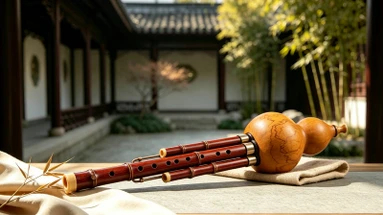
Most people assume the hulusi is an instrument with a thousand-year history, known by this name since antiquity. This is not the case. The term “hulusi” that we use today appeared relative
…
13th Nov 2026
葫芦丝并非自古定名,它的名字是近代慢慢确立的
很多人会下意识以为,葫芦丝是一种传承千百年、自古就叫这个名字的乐器。但事实并非如此。今天我们熟悉的“葫芦丝”这个称呼,出现的时间其实很晚。在很长一段时间里,这件流传在西南少数民族地区的簧管乐器,没有统一的叫法,不同村寨、不同族群,都有着自己的称呼与叫法。
在云南德宏、保山一带的傣族村寨里,当地人习惯把这类带葫芦共鸣腔的簧管乐器称作“筚朗叨”;阿昌族、
…
12th Nov 2026
洞箫:因形得名,因韵传世的古老竹乐
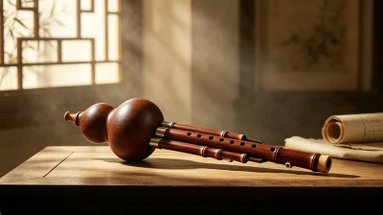
在众多传统竹制吹管乐器中,洞箫的名字自带清寂悠远的意境,不同于笛、埙、笙等直白质朴的命名,“洞箫”二字自带空阔、通透、沉静的画面感。很多人常年聆听箫声、吹奏洞箫,却很少知晓这个名字的真正由来,也不了解它从古老形制演变至今的完整脉络。洞箫并非自古便叫此名,它的称谓、形制、气质,都藏着独属于自身的岁月故事。
洞箫之名,核心在于一个“洞”字,这是它区别于其
…
12th Nov 2026
Dongxiao Flute: An Ancient Bamboo Instrument Named for Its Shape and Praised for Its Melody
Among many traditional bamboo wind instruments, the dongxiao flute carries a quiet and distant charm in its name. Unlike the straightforward titles of di, xun and sheng, the two chinese characters for
…
11th Nov 2026
巴乌簧片的嵌入式结构,决定它和竹笛、箫的发声逻辑完全不同
很多民乐爱好者初次接触巴乌,很容易把它和竹笛、箫归为一类,觉得它们只是外形、调门有区别,依靠气流吹动管内空气就能发声。事实上,二者的发声原理有着本质区别,这个差异的根源,就来自巴乌嵌入式簧片这一处不起眼的结构。
竹笛和箫没有簧片,属于气鸣乐器。演奏者吹出的气流冲击吹口边缘,切割空气,带动管腔内部的空气柱振动,以此发出声音。音色的好坏,高度依赖演奏者控制气流的角度、流速,嘴型稍有偏差,声音就会发虚、
…
11th Nov 2026
The Embedded Reed Structure of a Bawu Flute Defines Its Distinct Sounding Logic From Bamboo Flutes and Xiao
Many folk music enthusiasts who first encounter a bawu flute tend to group it together with bamboo flutes and xiao. They think they only differ in appearance and key, and produce sound by airflow movi
…
10th Nov 2026
Buy Guqin: Understanding the Thirteen Hui, Poetic Time Markers on the Guqin Surface
Many people, when they buy guqin, tend to focus on guqin styles, tone quality and lacquer finish, yet seldom notice the thirteen round dots on the surface, known as hui. These small markers are not me
…
10th Nov 2026
购买古琴:读懂琴上十三徽,藏在琴面里的时间诗意
很多人在购买古琴的时候,目光常常停留在琴式、音色与漆面之上,却很少留意琴面上那十三个圆润的圆点,也就是琴徽。这十三个小小的标记,不只是用来辅助按音定位的刻度,更是古人把时序、天地节律凝在琴身之上的巧思。读懂琴徽背后的寓意,我们才能看见古琴器物里,藏着独属于东方的时间浪漫。
古琴一共十三枚琴徽,对应一年十二个月份,再多出一枚,代表闰月。古人观四季流转、月亮圆缺,把一整年的时光缩影安置在琴面。当指尖沿
…
9th Nov 2026
古筝购买指南:读懂千年形制演变,了解古筝背后的故事
在中国传统弹拨乐器中,古筝是历史最悠久、形制演变最清晰、文化底蕴最深厚的乐器之一。从先秦初创到如今风靡海内外,历经数千年迭代改良,古筝不仅保留了古老的东方审美,也通过不断优化的形制,成就了如今独一无二的音色与表现力,很多爱好者在古筝购买时,也会关注它背后的发展历史。
最早的古筝诞生于春秋战国时期的秦地,古称“秦筝”。早期古古筝形制小巧简约,弦数较少,结构简单,最初多用于民间
…
9th Nov 2026
Buy guzheng Guide: Learn About the Story of Guzheng Through Centuries of Shape Evolution
Among traditional Chinese plucked instruments, the guzheng is one with the longest history, clearest structural evolution and richest cultural heritage. From its early beginnings in the pre-Qin period
…
6th Nov 2026
一枚陶埙的音色,从吹口开始成型
你有留意过陶埙顶端那一个小小的吹口吗?在整支陶埙上面,吹口是气息进入腔体的第一道关口,尺寸、弧度、边缘打磨的细微差别,都会直接改变气流进入腔体的状态,最终影响音色的明暗、灵敏度与气息消耗,是陶埙工艺里十分精微的一环。
陶埙的吹口大多开设在腔体顶端收束的位置,常见的形态有U型、V型、小圆口,梨形埙大多采用圆润的U型吹口。它不是简单在陶坯上戳一个洞就完成的。匠人在修坯阶段,会精细打磨吹口的内沿与外沿:
…
6th Nov 2026
The tone of a Xun instrument takes shape starting from its blowhole
Have you ever noticed the tiny blowhole at the top of a Xun instrument? On the entire Xun instrument, the blowhole is the first gateway for breath to enter the cavity. Minor differences in its size, c
…