5th Feb 2026
A Cultural Identity Journey of the Guzheng in Malaysia
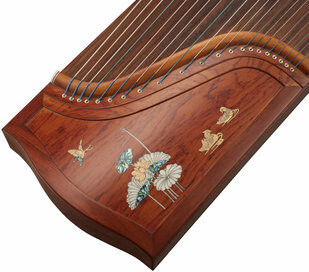
Amidst the symphony of Malaysia's multiculturalism, the clear and resonant sound of the guzheng has always been the most distinct cultural imprint of the Chinese community. This ancient instrument, which crossed the ocean with the immigrants, has long transcended music itself, becoming a spiritual coordinate that sustains identity, connects cultural roots, and promotes mutual cultural understanding. From the sacrificial customs of hometown associations to the cross-ethnic art stages, from the nostalgia of the elders' fingertips to the cultural confidence of the youth, every string of the guzheng resonates with the Malaysian Chinese's yearning for their roots and their pursuit of multicultural coexistence.
The guzheng is a carrier of the cultural nostalgia of the Chinese community, anchoring identity memories in traditional settings. In the mid-19th century, immigrants from Fujian and Guangdong, carrying their longing for their homeland, moved southward. The guzheng, as a core instrument, took root in Malaysia along with them. During the Mid-Autumn Festival or traditional festivals, the familiar sound of the guzheng would always be heard in the associations, allowing the Chinese far from home to relive their hometown customs through the music. For the older generation of immigrants, the sound of the guzheng was a echo of their childhood memories and a cultural code in a foreign land. Even as time passed, this nostalgia never faded but became a spiritual consensus within the Chinese community through generations of inheritance.

The guzheng serves as a bridge for cultural dialogue in a diverse society, transmitting the power of inclusiveness in cross-ethnic exchanges. Malaysia is home to multiple ethnic groups including the Malays, Chinese, and Indians. The guzheng is not confined to the Chinese community but has integrated into the local cultural ecosystem with an open attitude. At the Kuala Lumpur Multicultural Arts Festival, the guzheng played in harmony with the Malay traditional instrument gamelan and the Indian sitar, weaving together the melodies of China and Southeast Asia, presenting a cultural landscape of "each beauty in its own way, all beauties together". In Chinese independent schools' guzheng clubs, there are also many students from the Malay and Indian communities. While learning techniques like "gou, mo, tuo, and tiao", they also gain an understanding of Chinese classics through the music, making the instrument a medium for cultural exchange. This cross-ethnic artistic resonance not only dissolves cultural barriers but also makes the guzheng a shared cultural treasure of Malaysia's multiculturalism.
The guzheng is a transnational bond, continuing the cultural heritage in the context of the Maritime Silk Road. As an important node of the Maritime Silk Road, the guzheng in Malaysia has always maintained a deep connection with its Chinese counterpart. In many cross-border concerts, Malaysian guzheng players have collaborated with artists from Chaozhou and Shenzhen in China to perform pieces like "Lotus Emerging from Water", where the echoes of traditional techniques clearly reveal the cultural roots that span across borders. For young Malaysian Chinese, learning the guzheng is no longer just about mastering a skill but also about taking on the responsibility of inheriting cultural heritage.
From the nostalgic sounds in hometown associations to the resonant harmonies across ethnic groups and the cultural dialogues across borders, the guzheng in Malaysia has long transcended its definition as an instrument, becoming a vivid carrier of Chinese cultural identity. It has witnessed the settlement and growth of the immigrant community in a foreign land and embodies the inclusiveness and coexistence of a diverse society.