
27th Oct 2026
Buying a Guqin? Do Not Overlook the Fine Polishing on the Yue Shan Edge(not)
Many people who plan to buy guqin spend plenty of time researching wood types, listening to harmonics and open notes, and comparing different shapes. Yet few take a closer look at the edge of the yue shan where strings rest. This tiny spot quietly shapes your playing comfort, string lifespan and tonal stability.
The yue shan is the wooden ridge that lifts the guqin strings. On poorly finished instruments, its top edge is simply cut flat, with a sharp corner left behind. When nylon steel strings rub repeatedly against this sharp edge during practice, the strings fray and snap easily. The sharp point also restricts string vibration, adding a tight, dry noise to your tone and cutting the resonance short.
Carefully handcrafted guqins have a soft, rounded chamfer along this contact line. It is not a large, obvious curve, only a gentle, smooth transition. Strings rest evenly on this rounded surface without any sharp catch points.
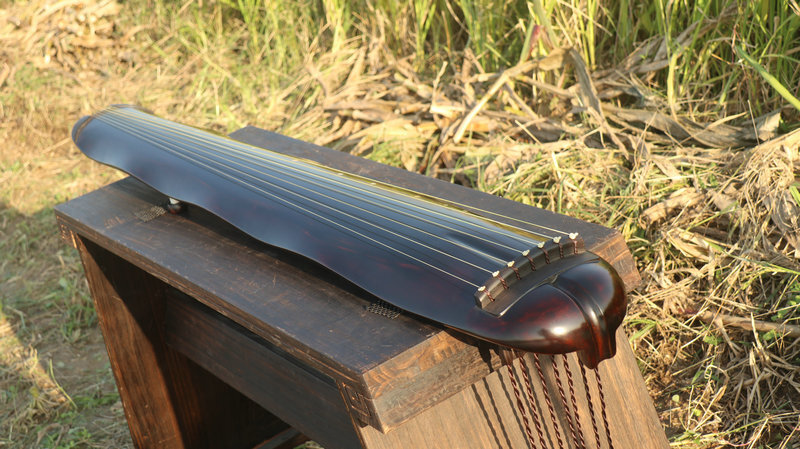
The difference only reveals itself once you start playing. The strings vibrate freely for fuller, smoother sound, and pressure spreads evenly to avoid local wear. For players who practise long sustained notes, gentle vibrato and sliding techniques often, you will notice the tone flows without interruption.
This detail demands extra time and patience from the maker. Unlike eye-catching mother-of-pearl inlays or beautiful grain, it is invisible at first glance. Mass-produced guqins often skip this fine polishing step to save labour.
When you buy guqin, whether testing in person or checking product photos, remember to check this small area. You do not need fancy decorations. A smoothly rounded edge on the yue shan is a quiet mark of thoughtful craftsmanship.
A guqin that stays with you for years wins you over not with flashy features, but these small touches you interact with every time you play.