1st Feb 2026
Buying a Guqin: Material and Craftsmanship Determine the Quality of Sound
The charm of the guqin lies not only in the distant and profound atmosphere created by the movement of silk strings but also in the accumulation of time embodied in its materials and craftsmanship. The quality of a guqin's sound is determined from the moment of material selection, and only through the meticulous work of a skilled luthier can it become a masterpiece that stands the test of time. When choosing a guqin, understanding the nuances of materials and craftsmanship is the key to assessing its quality.
The selection of materials for a guqin primarily focuses on the top and bottom boards, with paulownia and fir being the preferred choices. Paulownia guqins have a clear and resonant sound, full of resonance, with a high-pitched area that is ethereal and elegant, making them ideal for those who seek a lively and poetic atmosphere. Fir guqins normally require aged wood. The wood is uniform in density, with tough fibers, giving the instrument a warm and mellow tone, long-lasting reverberation, and a deep, powerful bass, making it the top choice for experienced players and performers.
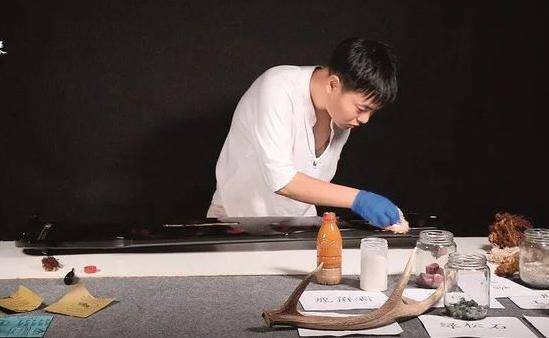
Good wood is only the foundation, without exquisite craftsmanship, a fine Guqin cannot be made. The most crucial aspects are the construction and lacquering. Traditional guqin making follows the "Nine Virtues" standard, from planing the boards, hollowing out the sound cavity, setting the sound holes to installing the yueshan and the longyin, each step must be precisely controlled. The lacquer layer is the core that determines the thickness of the sound and the lifespan of the instrument, while the lacquering process affects the durability and sound transformation. High-quality guqins normally use natural raw lacquer, but it is relatively expensive. After repeated polishing, the lacquer surface is as smooth as jade, with a fine touch. The sound cavity is the luthier's inner skill. The design of the inner cavity and the structure of the sound chamber directly affect the resonance and sound quality. This requires the luthier to have rich experience, and it is difficult to tell just by looking at the surface.
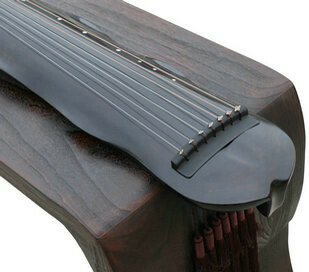
The selection of accessories is also important. The tailpiece and yueshan are often made of hard wood, such as black sandalwood and rosy sandalwood, which are hard, have beautiful patterns, and are not prone to deformation, ensuring stable string pressing. The choice of silk or steel strings should also be based on the material. Aged fir guqins are best paired with silk strings to highlight their warm and ancient charm. Paulownia guqins and fir Guqins can also be equipped with steel strings to enhance the penetration of the sound and meet different playing needs.
Buying a guqin is essentially a dialogue with materials and a resonance with craftsmanship. The accumulation of old wood, the warmth of raw lacquer, and the luthier's dedication all contribute to the unique soul of the guqin's sound. In summary, a good guqin is the combination of fine materials and skilled construction. For beginners, there is no need to pursue an expensive Guqin by a famous luthier from the start. Choosing a workshop with solid materials and reliable craftsmanship is the most cost-effective approach.