23rd Jan 2026
Complete Guzheng Maintenance Tips for Beginners
For beginners, your first guzheng is more than just a practice instrument—it’s a meaningful companion. Many new players overlook maintenance, leading to issues like rusted strings and cracked soundboards. Proper upkeep not only extends the guzheng’s lifespan but also preserves its optimal tone quality. Remember this core principle: prevent cracking in northern regions, and guard against moisture in southern regions.
1. Daily Cleaning (Basic yet Critical)
Use a soft brush or cloth to gently remove dust from the soundboard. Never wipe the soundboard or strings with a damp cloth—moisture is the top culprit behind rusted strings and warped soundboards. Avoid brushing near the bridges to prevent them from toppling over and causing unnecessary trouble. Cover the guzheng with a dust cover when not in use, this keeps dust away and shields the instrument from drastic temperature and humidity fluctuations.
2. Proper Storage Environment
Guzhengs dislike extreme dryness or humidity. Excessive dryness causes the soundboard to crack, while high humidity makes the wooden body absorb too much moisture, resulting in a muffled tone. An ideal humidity level ranges from 40% to 80%. Keep the guzheng away from direct sunlight, heating vents, air conditioner blowers, and kitchen fumes. Fumes clinging to the soundboard will degrade tone quality over time.
3. Correct Usage Habits (Key to Longevity)
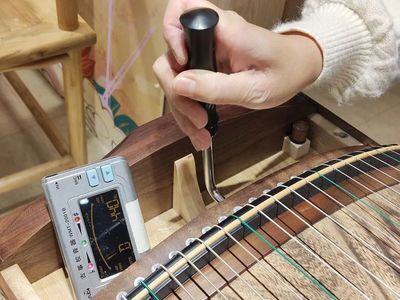
Guzheng soundboards and backboards are mostly made of soft paulownia wood. If your left-hand fingernails scratch the soundboard while pressing strings, the damage is irreversible and permanent. Master proper pressing techniques: keep your left hand close to the bridges. If it is too far, this will bring nails too close to the soundboard. Ideally about one pen’s length away from the bridge. Press strings with your fingertips at a slight downward angle. When adjusting bridges, lift the strings first to avoid scratching the soundboard. Strings may go out of tune due to humidity changes or frequent playing—spend 30 seconds weekly checking and tuning the instrument promptly.
4. Region-Specific Care
In northern regions, humidity often drops below 20%, causing wood to lose moisture and crack. When applying moisturizer to your hands, don’t forget to apply specialized guzheng moisturizing cream to the side panels, case, and tail of the instrument. Important note: Never apply moisturizer to the soundboard, backboard, strings, top of the bridges, or bridge bases—incorrect application can warp the wood and ruin tone quality. In humid southern regions, place desiccants inside the guzheng case to absorb excess moisture, or open windows for ventilation on dry, sunny days.
Guzheng maintenance requires no advanced skills—integrate these habits into your daily practice routine, and your instrument will retain its longevity and optimal performance for years to come.