9th Feb 2026
Dunhuang Guzheng: A Contemporary Expression of the Soul of the Silk Road
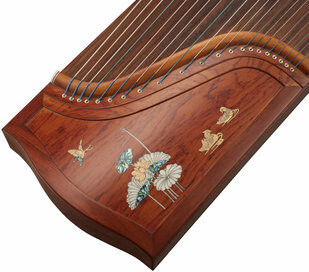
Dunhuang Guzheng is more than just a performance school or an instrument, it is the echo of the thousand-year-old Silk Road civilization on the strings of the present, a cultural crystallization of the fusion of Central Plains' refined music and the exotic sounds of the Western Regions, and a vivid carrier for Chinese traditional music to go global and tell the story of the East.
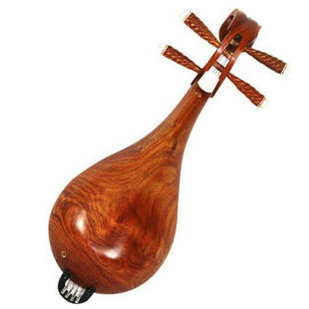
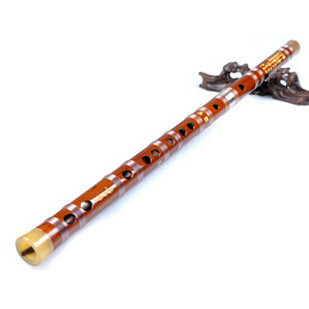
The cultural roots of Dunhuang Guzheng are deeply embedded in the historical soil of the Silk Road. In the murals of the Mogao Caves, scenes of flying apsaras playing the pipa and singing while holding the guzheng freeze the prosperous picture of Silk Road music. Various instruments such as the konghou, qiangdi, hujia, and guzheng interweave into flowing melodies in the caves, reflecting a golden age of cultural exchange and harmonious sounds. Dunhuang Guzheng draws inspiration from these murals and ancient scores, integrating the camel bells of Silk Road merchants, the sands of the Gobi Desert, and the exuberance of Western Regions' music into the veins of guzheng music. It breaks the regional limitations of traditional guzheng schools and, with an inclusive attitude, reconstructs the cultural map of Chinese guzheng. This is not only an innovation in the instrument but also a vivid continuation of the Silk Road spirit in contemporary music.
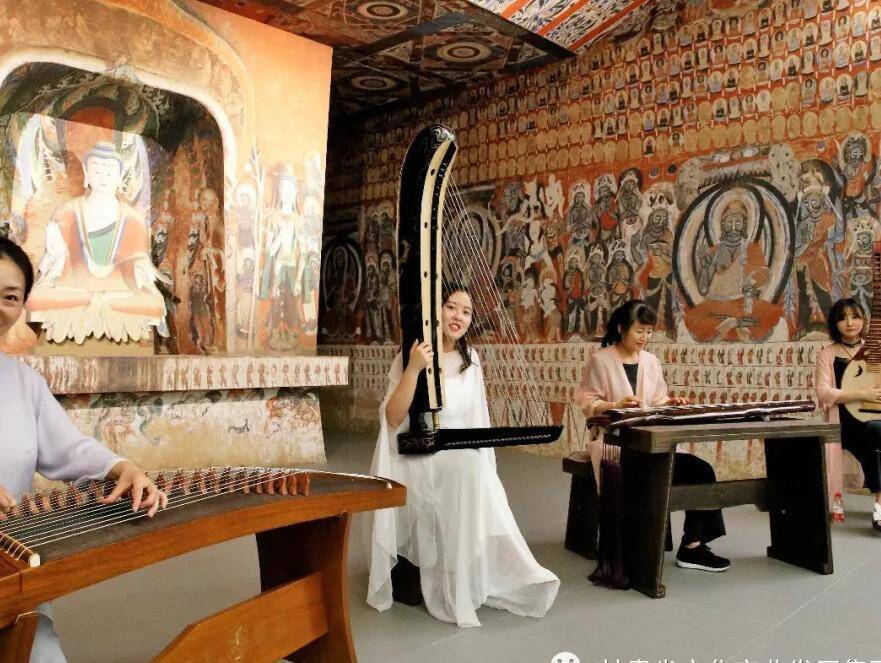
In terms of performance, Dunhuang Guzheng has its own unique sound and temperament. Its tone is clear and far-reaching, with high notes like the moon shining on the sand and water, tinkling, and low notes like the wind sweeping across the Gobi, deep and vast. Performers skillfully use techniques such as rapid plucking and sweeping, large-scale pressing and sliding, to imitate the mournful wailing of the hujia or reproduce the distant and lingering sound of the qiangdi, even allowing listeners to envision camel caravans slowly traversing the sands. Works such as “Thoughts of the Western Regions”, “Journey in the Desert” and “Shadows of the Western Liang in the Sand” are not just pieces but like sound-painted Silk Road scrolls.
What is particularly valuable is that Dunhuang Guzheng does not stop at nostalgia or restoration. In the tide of globalization, it actively steps beyond national boundaries, no longer a closed traditional genre but a messenger of cultural exchange between China and the world. Whether in formal performances at the Vienna Musikverein or folk music workshops in overseas campuses, Dunhuang Guzheng, with its open attitude, tells a story of China that is both ancient and modern. It not only preserves the spiritual core of traditional guzheng music but also boldly embraces various modern music elements such as symphony, electronic, and jazz, constantly expanding the boundaries of Chinese music in cross-border integration. This exploration of upholding tradition while innovating is a true reflection of contemporary Chinese cultural confidence.
Dunhuang Guzheng is a living inheritance of Silk Road civilization and a new calling card of Chinese national music. With the strings as a bond, it connects the past and the present, the East and the world, allowing the cultural genes of the thousand-year-old Silk Road to thrive and flow on in the contemporary musical river.