13th Jan 2026
Price Analysis of Guqin: Value Determined by Panel Material
As a carrier of Chinese cultural heritage, the price of a guqin is as diverse as its sound. The wide range of prices, from a few hundred to several thousand dollars, is not arbitrary but a reflection of the combined factors of material, craftsmanship, craftsmanship, and cultural value.
The core dividing line in the price of a guqin lies in its material and craftsmanship. Entry-level guqins are mostly mass-produced in factories, with prices ranging from $150 to $700. The majority of these use relatively new paulownia wood. This material has its inherent advantages: paulownia grows quickly and is abundant in supply, making the guqin more affordable and lighter in weight, with a brighter sound. Although it lacks the depth and richness of older wood, it is sufficient for basic practice. Moreover, new wood is more stable and requires less meticulous care in daily use, making it a good choice for beginners.
Mid-range guqins cost between $1,500 and $4,000 and are made with aged cedar panels. Aged cedar, having undergone natural aging, has a denser and more uniform wood structure, resulting in richer resonance. The luthier hand-tunes the instrument to achieve a warmer and more transparent sound. This makes mid-range guqins suitable for professional performance while remaining accessible, offering both practicality and durability, and is the mainstream choice for intermediate learners.
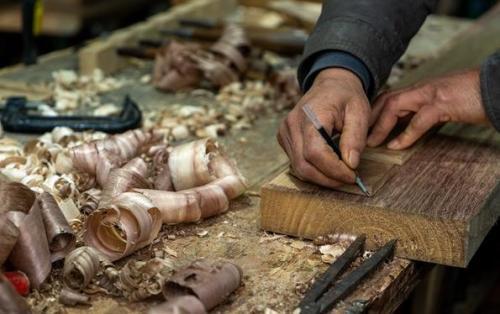
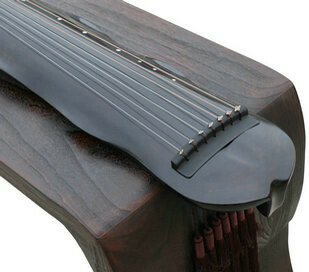
High-end guqins are mostly crafted by experienced luthiers with strict material selection, often using century-old wood such as old roof beams. The wood, after natural weathering, is more stable and has better resonance. Each play produces a rich aftertaste. However, this wood is scarce and expensive, with a single board sometimes costing tens of thousands of dollars. Additionally, the luthier needs to repeatedly polish and intricately carve the surface, resulting in a longer production time. The rarity of the wood and the craftsmanship bestow a deeper cultural heritage on the guqin, making it an artistic treasure and highly sought after.
The price of a guqin does not indicate its quality but rather its suitability. Low-priced guqins, with their high cost-effectiveness, serve as a bridge for the popularization of guqin culture, allowing more people to experience traditional music. Mid-to-high-end guqins, with their superior materials, craftsmanship, and cultural depth, meet the needs of advanced learners and collectors. Each guqin has its unique value and characteristics: the bright and clear sound of entry-level guqins guides beginners on their journey; the warm and clear sound of mid-range guqins accompanies intermediate learners in their skill improvement; and the rich and mellow sound of high-end guqins is the cherished melody for collectors to preserve culture.
Every guqin carries its unique value and characteristics, allowing the thousand-year-old guqin melody to shine in different groups of people.