6th Feb 2026
The Contemporary Inheritance and Future Path of the Guqin Instrument
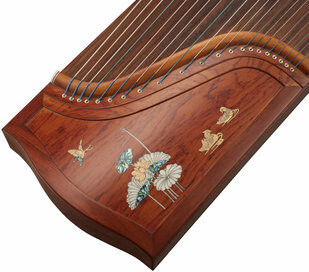
As a representative work of intangible cultural heritage of oral and non-material culture, the guqin carries the cultural genes and spiritual codes of China for thousands of years. In the fast-paced modern society, this ancient art has not faded but has been rejuvenated through the persistence and innovation of its inheritors. From the tireless efforts of contemporary artists to the enthusiastic participation of the youth, the intangible cultural heritage inheritance of the guqin is forging a path of upholding tradition while embracing innovation, safeguarding cultural roots while adapting to the contemporary context.
The core strength of the contemporary guqin inheritance lies in the persistence of generations of players and educators. Among them are veteran artists who have dedicated their lives to the transmission of guqin techniques, as well as young and middle-aged players with innovative consciousness, who have popularized the guqin through systematic teaching. Nowadays, guqin associations and music schools are scattered across the country, and many universities have also established guqin majors. Some artists have enriched the guqin's artistic treasury by collating ancient books and reproducing lost scores.
The participation of the youth has injected fresh vitality into the inheritance of the guqin. In the past, the guqin was often labeled as "niche" and "ancient", but now it has become a cultural choice for many young people. This is due to the promotion of school aesthetic education courses - more and more primary and secondary schools have included the guqin in traditional culture elective courses, allowing students to experience the beauty of the instrument through interesting teaching methods. It is also due to the assistance of new media dissemination - young players share guqin performances through short videos, making "playing the guqin" a trendy cultural expression. For the youth, learning the guqin is not only about mastering an instrument but also about getting close to traditional culture. The participation of the youth has alleviated the concern of "aging" in the guqin inheritance and formed a favorable situation of intergenerational relay.

The ultimate significance of intangible cultural heritage protection lies in making traditional culture alive in the contemporary era. The future development of the guqin cannot be separated from the balance between upholding tradition and innovation. Nowadays, cross-border collaborations between the guqin and pop music, film and television soundtracks are common, with adapted pieces like "Big Fish" and "Unstained" going viral online, allowing young people to experience the diverse charm of the guqin. The popularization of online courses has broken geographical barriers, enabling guqin enthusiasts overseas to access high-quality teachers, making this art a bridge for cross-cultural communication. At the same time, the support of intangible cultural heritage protection policies and the development of cultural and creative products have gradually integrated the guqin into daily life.
When inheritors hold fast to their original intentions, the youth continue to exert their efforts, and innovators forge new paths, the sound of the guqin will surely continue to resonate in the new era. This unceasing transmission not only safeguards an instrument and a technique but also protects the spiritual homeland of the Chinese nation.