15th Jan 2026
The Cultural Dissemination of the Guzheng in France
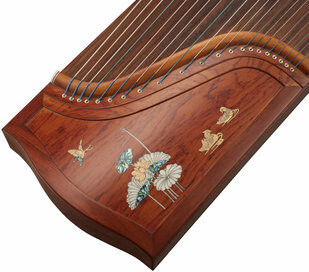
The development of the guzheng in France can be described as a remarkable journey from a niche interest to widespread popularity. This instrument, which carries the elegance of China's thousand-year-old culture, has transcended the boundaries of the Chinese community and gradually become a bridge connecting Chinese and French cultural exchanges. On French soil, it has undergone a splendid transformation from being a stranger to being recognized, from the streets to the concert halls.
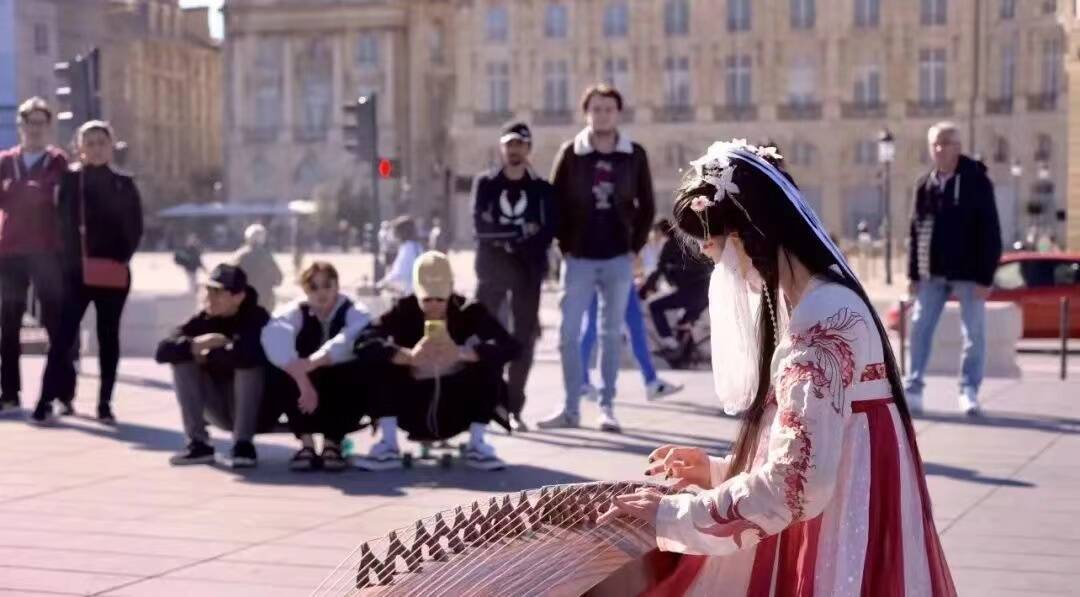
The establishment and growth of the guzheng in France are inseparable from the personal efforts and innovations of generations of players. They have broken through cultural barriers, allowing the sounds of the oriental guzheng to cross language barriers. Many players have chosen to perform on the streets of France at iconic locations such as the Eiffel Tower and the Louvre. At first, there were misunderstandings. Locals mistook Hanfu for Kimono and the guzheng for a Japanese instrument. But when the melodious tunes of "Fisherman's Song at Dusk" and the vigorous rhythms of "The Golden Snake Dance" flowed out, the clear and lively tones and the players' focused and passionate performances immediately captured the attention of passersby, and more and more people stopped to listen. At the end of each performance, the enthusiastic applause, transcending cultural differences, confirmed the eternal truth that there are no borders in music and also brought the guzheng its initial attention on the streets and in the alleys.
Even more exciting is the cross-border integration of the guzheng with Western art, creating unique artistic sparks. The inclusiveness of this ancient instrument makes it an excellent medium for dialogue between Chinese and Western art. Renowned Chinese-French composers have collaborated with German symphony orchestras to innovatively incorporate the guzheng into symphony orchestras, performing original symphonic works on the stage of the Berlin Philharmonic Hall. The clear and melodious tones of traditional guzheng music blend harmoniously with the grandeur of Western symphony, and the exquisite combination of traditional techniques and Western instrumentation not only preserves the oriental aesthetic core of the guzheng but also allows it to burst with new artistic vitality in the symphonic context, allowing European audiences to appreciate the unique charm of the guzheng that transcends cultures. Meanwhile, the in-depth development of professional teaching has laid a solid foundation for the long-term development of the guzheng in France. Many professional guzheng teachers have opened studios in France, not only systematically teaching finger techniques but also emphasizing the telling of Chinese stories through the strings. Students, while learning playing skills, also deeply understand the spiritual core of Chinese culture, making the dissemination of the guzheng go beyond the instrument itself and become a deep bond of cultural exchange.
Today, the guzheng has become an important symbol of cultural exchange between China and France. At the Mid-Autumn Cultural Exchange Gala marking the 60th anniversary of the establishment of diplomatic relations between China and France, the appearance of the guzheng and calligraphy art created a long-lasting cultural atmosphere for Chinese and French guests, becoming a vivid witness to the friendship between the two countries.
From the initial exposure through street performances to the stunning appearances of cross-border innovations and the in-depth development of professional teaching, the development path of the guzheng in France has become a vivid portrayal of the deep integration of Chinese and French cultures. This cultural string spanning thousands of miles continues to play a touching melody of mutual learning between civilizations.