10th Feb 2026
The Spread of the Guqin in New Zealand
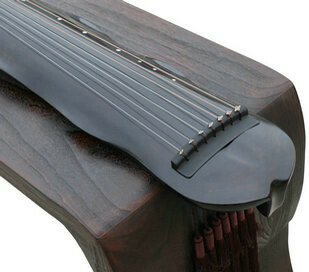
When the clear and resonant sounds of the seven-stringed guqin echo along the coasts and cities of New Zealand, a story of cultural exchange spanning thousands of miles unfolds. As the pinnacle of Chinese literati music, the guqin, not native to this land, has transformed from an unfamiliar symbol to a local cultural feature over several decades. Tracing its roots and spread reveals not only the trajectory of Chinese intangible cultural heritage crossing the ocean but also the unique process of integrating Eastern elegance with the culture of the Southern Hemisphere.
The initial impetus for the guqin's introduction to New Zealand came from official cultural exchanges. In the early days, the guqin often appeared on stages as a representative of traditional Chinese art during performances at embassies and cultural festivals. These events, though brief, were like stones thrown into water, creating ripples. After the establishment of Confucius Institutes, the guqin became one of the representative elements of Chinese culture, featured in various festivals and lectures. At that time, the guqin was more like an object to be observed, carrying a hint of mystery and distance.
As generations of Chinese immigrants settled in New Zealand, the spread of the guqin shifted from official to grassroots levels, entering a crucial period of local integration. Immigrant guqin players and enthusiasts began to teach voluntarily and form guqin societies. They no longer performed merely for display but for preservation, becoming the most solid force in the spread of the guqin in New Zealand. Through personal studios, local guqin societies, and small gatherings, they brought the guqin into daily teaching and life, gradually making its sounds accessible not only to Chinese families but also attracting local residents to stop and listen, and even sign up for lessons.
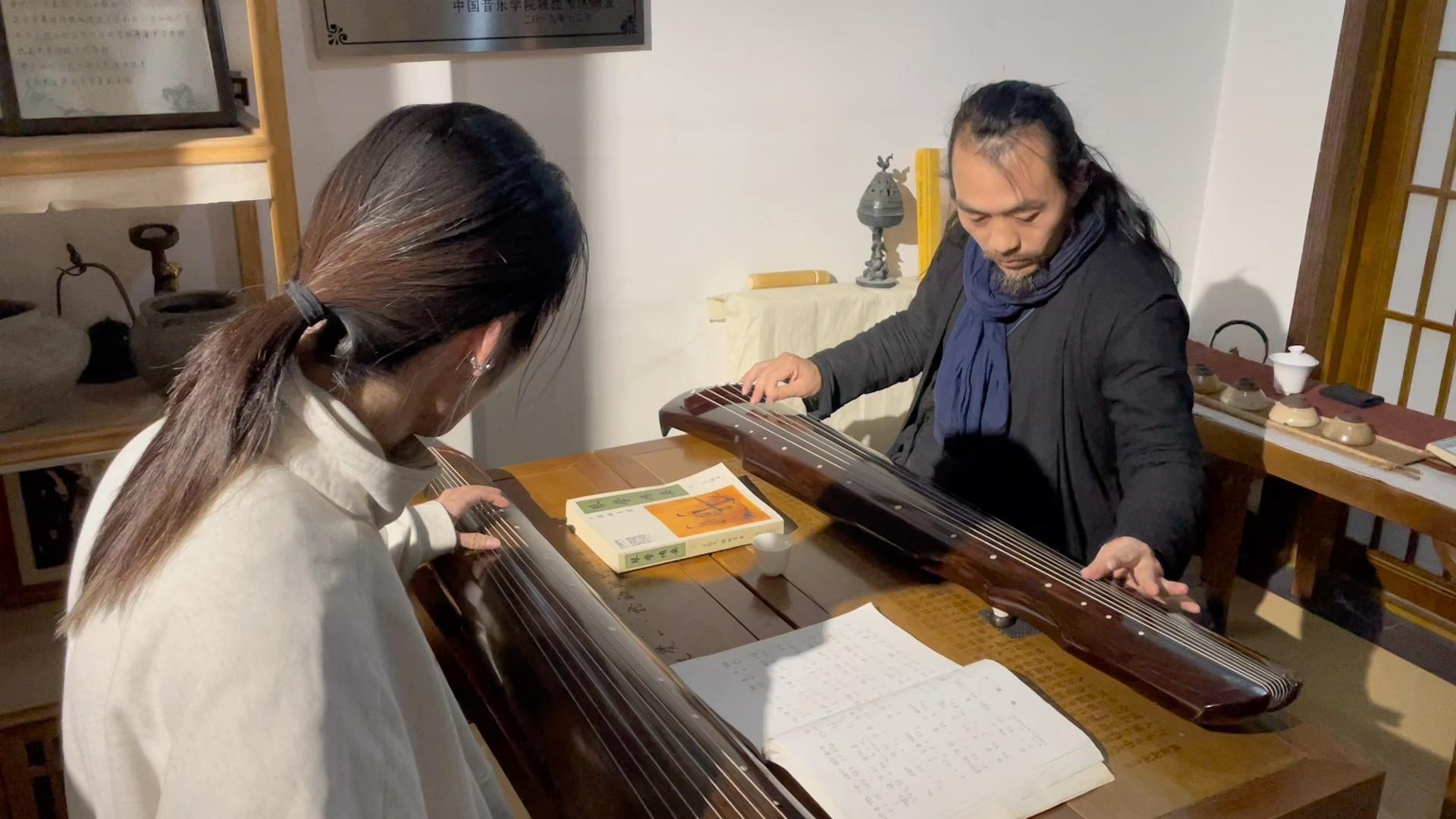
In recent years, the spread of the guqin in New Zealand has become more diverse and normalized. Academic attention from university music departments, cross-border collaborations with art centers, and immersive performances in natural settings have integrated the guqin into the local cultural ecosystem. It is no longer confined to the Chinese community but has attracted many New Zealanders who love Eastern culture and seek a peaceful aesthetic. The guqin, with its gentle yet resilient presence, has taken deeper roots in foreign soil.
This path has been slow but steady. The guqin did not win attention through noise and excitement but gradually permeated the cultural fabric of this land with its serenity and depth. It is no longer an exotic spectacle but a lifestyle that can be immersed in and understood.
From a cultural symbol in cross-oceanic performances to a rooted art of daily life, the spread of the guqin in New Zealand is a vivid microcosm of the overseas transmission of China's excellent traditional culture. This journey of guqin sounds across mountains and seas not only sustains the artistic life of the guqin but also serves as a gentle bond connecting cultural exchanges between China and New Zealand, allowing the thousand-year-old elegance to continue resonating in the distance.